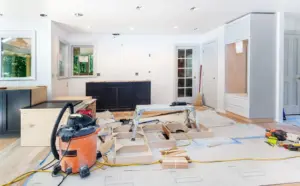
A home remodel is one of the most rewarding investments you can make. Whether you want a modern kitchen, a luxurious bathroom, a finished basement, or a full home transformation, the right remodeling plan can dramatically improve comfort, functionality, and property value. But remodeling is also a big project—one that requires preparation, decision-making, and the right team.
For homeowners working with Dennis Ngai Corp, understanding the remodeling process helps ensure that every step moves smoothly, stays on budget, and delivers the results you envision. This guide walks you through exactly how to plan a successful home remodel from start to finish.
1. Define Your Goals and Vision
Every great remodel starts with a clear vision. Before you talk to a contractor, take time to think about what you want to achieve.
Ask yourself:
- What rooms or areas need improvement?
- Are you remodeling for comfort, style, or resale value?
- Do you want more space, better functionality, or updated finishes?
- What features or upgrades are most important?
Homeowners often remodel to:
- Improve outdated layouts
- Increase storage and organization
- Enhance energy efficiency
- Upgrade old materials
- Add usable living space
- Modernize the home’s appearance
Whether you’re planning a full residential remodel, a kitchen renovation, a bathroom upgrade, or a house extension, defining your goals gives the entire project direction.
2. Establish a Realistic Budget
Budgeting is one of the most important steps in the planning process. A clear budget helps you make decisions on materials, design, and project scope. It also prevents unexpected costs later.
When building your budget, include:
- Material costs
- Labor costs
- Design or architectural fees
- Permits
- Possible upgrades
- A contingency fund (10–20% for surprises)
Prices vary widely depending on the type of remodeling:
- Kitchen Remodeling – Cabinetry, appliances, countertops, and plumbing upgrades can influence costs.
- Bathroom Remodeling – Tile work, fixtures, and plumbing changes affect the price.
- Basement Remodeling – Framing, drywall, flooring, waterproofing, and electrical work all factor in.
- House Extensions – Typically the highest investment due to structural work, roofing, and foundation.
- Flooring Remodeling – Material choice (hardwood, laminate, vinyl, tile) determines cost.
- Roof Remodeling – Roofing materials, underlayment, and repairs influence the budget.
A well-planned budget helps you avoid going over limits and ensures your investment stays organized from day one.
3. Hire a Professional Remodeling Contractor
Choosing the right contractor is essential to the success of your project. A professional, experienced team like Dennis Ngai Corp ensures the remodel is completed safely, efficiently, and according to your vision.
Before hiring a contractor, check:
- Licensing and insurance
- Experience with your type of remodel
- Customer reviews and references
- Portfolio of completed projects
- Clear communication and project planning
- Transparency about pricing and timelines
Professional contractors also handle permits, inspections, structural requirements, and compliance with local building codes—tasks that homeowners should never attempt alone.
4. Finalize Design Plans and Material Selections
Once you hire your contractor, the design phase begins. This step shapes the look, feel, and functionality of your remodel.
During this stage, you’ll finalize:
- Floor plans
- Layout adjustments
- Cabinet, tile, or flooring styles
- Lighting designs
- Plumbing fixtures
- Paint colors
- Roofing materials
- Custom features or additions
Good design improves your home’s beauty and usability. For example:
- In kitchen remodeling, proper layout and storage planning makes cooking easier.
- In bathroom remodeling, smart fixture choices and layout save space and add luxury.
- In basement remodeling, good lighting and flooring transform the room into a usable living space.
- In house extensions, design ensures new areas blend seamlessly with your existing home.
The more detailed the design, the smoother the construction process will be.
5. Get Required Permits and Approvals
Most substantial remodeling projects require permits. These help ensure your project meets structural, safety, and zoning standards. This step is critical for:
- Roofing remodeling
- Structural changes
- Electrical and plumbing updates
- House extensions
- Basement finishing
- Kitchen or bathroom remodels involving layout or plumbing changes
A professional contractor will handle all permits for you. Attempting to skip permits can lead to fines, unsafe construction, or problems when selling your home.
6. Prepare Your Home for Construction
Before construction begins, prepare your home and living spaces. Remodeling can be disruptive, especially for major projects.
Preparation tips:
- Clear out the workspace (kitchen, bathroom, basement, etc.)
- Protect furniture and flooring
- Create temporary living areas
- Plan alternate routes inside your home
- Move valuables or fragile items
- Discuss project hours and access with contractors
If you’re undergoing a large remodel, consider staying elsewhere temporarily. Your contractor will give you guidance based on your project size.
7. Begin the Remodeling Process
Once everything is planned, designed, and approved, construction begins. The timeline depends on the project type:
- Kitchen Remodeling – 3–8 weeks
- Bathroom Remodeling – 2–5 weeks
- Basement Remodeling – 4–10 weeks
- House Extensions – 2–6 months
- Flooring Remodeling – 1–7 days
- Roof Remodeling – 1–3 days
During this stage, your contractor will manage:
- Demolition
- Framing and structural work
- Plumbing, electrical, and HVAC updates
- Drywall and insulation
- Flooring installation
- Roofing work
- Cabinetry and fixtures
- Painting and finishing
Good communication with your contractor ensures you stay updated on progress and any necessary adjustments.
8. Conduct Walk-Through Inspections
As the project nears completion, your contractor will perform internal inspections and a final walk-through with you.
During the walk-through:
- Review all workmanship
- Test lighting, plumbing, appliances, ventilation
- Inspect flooring installation and finishes
- Examine tile, paint, and cabinet alignments
- Ensure everything matches the plan
- Confirm that all issues are resolved
This step ensures the final result meets your expectations and the contract agreement.
9. Enjoy Your Newly Remodeled Home
Once the remodel is completed, your home will feel refreshed, modern, functional, and more valuable. Whether it’s a brand-new kitchen, a luxurious bathroom, a finished basement, a roof remodel, or a well-planned home extension, the right improvements make daily life more comfortable and enjoyable.
With the craftsmanship and experience of Dennis Ngai Corp, you can trust that your remodel will not only look beautiful but will also be built to last.
Final Thoughts
Planning a successful home remodel requires careful preparation—but the results are well worth it. From defining your goals to hiring the right contractor, every step contributes to a smooth and stress-free remodeling experience.
Whether you’re transforming a single room or upgrading your entire home, Dennis Ngai Corp provides expertise in:
- Residential Remodeling
- Kitchen Remodeling
- Bathroom Remodeling
- Basement Remodeling
- House Extensions
- Flooring Remodeling
- Roofing Remodeling
With the right strategy and a trusted remodeling partner, you can turn your home into the space you’ve always dreamed of.