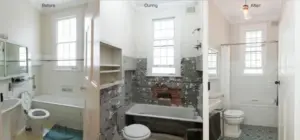
A bathroom remodel can improve your home’s comfort, functionality, and appearance, but careful budgeting is essential before the work begins. Without a clear plan, material upgrades, unexpected repairs, and design changes can quickly push a project beyond its original budget.
A good bathroom remodeling budget should account for more than fixtures and finishes. Labor, demolition, plumbing, electrical work, waterproofing, ventilation, storage, and other project requirements can all affect the final cost.
By understanding the main expenses and planning ahead, homeowners can make informed decisions and create a remodeling plan that fits their priorities.
Start With Your Remodeling Goals
Before setting a budget, decide what you want the remodel to accomplish. Not every bathroom renovation requires a complete transformation.
You may want to:
- Replace outdated fixtures
- Improve the bathroom layout
- Add more storage
- Replace a bathtub with a shower
- Upgrade flooring and tile
- Improve lighting
- Update the vanity
- Improve ventilation
- Make the bathroom easier to use
Separating essential improvements from optional upgrades makes it easier to determine where your money should go.
Determine the Scope of the Project
The size and scope of your remodeling project have a major effect on the budget. A cosmetic update involving paint, hardware, lighting, and fixtures is very different from a full renovation that involves demolition and changes to plumbing or electrical systems.
Consider whether your project will involve:
- Cosmetic improvements
- Partial remodeling
- Full bathroom renovation
- Layout changes
- Plumbing relocation
- Electrical upgrades
- Structural repairs
The more systems and surfaces that need to be changed, the more planning and labor the project may require.
Create a Detailed Budget
Once you understand the scope, divide your budget into individual categories. This makes it easier to track expenses and identify areas where adjustments can be made.
Common bathroom remodeling categories include:
Labor
Professional labor may account for a significant portion of the overall project. Installation, demolition, plumbing, electrical work, tile installation, cabinetry, and other specialized tasks require time and experience.
Fixtures
Fixtures may include toilets, sinks, faucets, shower systems, bathtubs, and other functional components.
Prices can vary significantly depending on the materials, features, brand, and design you select.
Tile and Flooring
Tile is often a major part of a bathroom renovation. Budget for the flooring as well as wall tile, shower surfaces, trim pieces, grout, and installation.
Remember that the cost is not limited to the tile itself. Proper preparation and installation are also important parts of the finished result.
Cabinets and Storage
Vanities, medicine cabinets, shelving, and built-in storage can affect the budget. Custom cabinetry may require a larger investment than standard options, but the right storage solution can make the bathroom more functional.
Plumbing and Electrical
If the existing plumbing or electrical systems need to be changed, these costs should be included early in the planning process.
Moving fixtures or adding new electrical features can require additional work behind walls and beneath floors.
Lighting and Ventilation
Lighting fixtures, switches, exhaust fans, and ventilation improvements should also be included in your budget.
These features may not receive as much attention as tile or countertops, but they have an important effect on everyday bathroom use.
Set Aside Money for Unexpected Problems
Even with careful planning, remodeling can reveal conditions that were not visible before construction began.
For example, demolition may uncover:
- Water damage
- Deteriorated materials
- Outdated wiring
- Plumbing problems
- Subfloor damage
- Poor previous installations
Setting aside part of your budget for unexpected work can provide greater financial flexibility if an issue is discovered.
Decide Where to Spend More
Not every part of a bathroom needs the same level of investment. Consider spending more on features that affect durability, safety, functionality, or daily comfort.
Areas worth prioritizing may include waterproofing, plumbing components, ventilation, durable flooring, quality installation, and fixtures that receive frequent use.
A more expensive product is not automatically better for every project. The goal is to choose products that provide the right combination of performance, durability, and value.
Find Areas Where You Can Save
Budgeting does not necessarily mean choosing the cheapest products available. Instead, look for ways to reduce unnecessary costs without compromising important parts of the project.
For example, you may be able to save by:
- Keeping the existing bathroom layout
- Refinishing certain surfaces instead of replacing them
- Choosing standard-size fixtures
- Selecting durable mid-range materials
- Limiting unnecessary decorative upgrades
- Reusing suitable existing features
The best savings usually come from thoughtful planning rather than cutting corners on essential work.
Consider the Cost of Changing the Layout
Changing the bathroom layout can have a significant impact on the remodeling budget. Moving a toilet, shower, sink, or bathtub may require plumbing modifications.
A new layout can be worthwhile when the existing design is inefficient, but it is important to understand the additional work involved before making the decision.
If the current plumbing locations can support a better design, keeping them in place may simplify the renovation.
Budget for Quality Installation
Materials are only part of the final result. Proper installation can affect the appearance, durability, and performance of the finished bathroom.
For example, tile needs an appropriate surface and proper installation, while showers require careful attention to waterproofing. Plumbing fixtures also need to be correctly installed and tested.
When comparing remodeling options, consider the complete cost of materials and professional installation rather than focusing only on product prices.
Think About Long-Term Costs
A bathroom remodel should be evaluated beyond the initial project cost. Some inexpensive materials or fixtures may require more maintenance or earlier replacement.
Consider how your choices will perform over time.
Ask questions such as:
- Is the material easy to clean?
- Will it hold up to moisture?
- Does it require specialized maintenance?
- Are replacement parts readily available?
- Will the fixture continue to meet household needs?
Choosing durable and practical features can help reduce future expenses.
Avoid Making Last-Minute Design Changes
Changing your mind during construction can affect both the schedule and the budget. Switching tile, fixtures, cabinetry, or layout decisions after installation has begun may require additional labor or materials.
Try to finalize major selections before work starts. This includes:
- Bathroom layout
- Vanity
- Shower or bathtub
- Flooring
- Wall tile
- Fixtures
- Lighting
- Hardware
- Storage
A well-defined plan can make it easier to control costs throughout the project.
Build Your Budget Around Priorities
If your budget is limited, create a list of priorities before selecting materials. Decide which improvements are essential and which ones would simply be nice to have.
For example, repairing water damage or improving an inefficient shower may be more important than adding decorative features.
A priority-based budget allows you to focus your resources on improvements that make the greatest practical difference.
Get a Professional Assessment
A professional assessment can help identify potential challenges before renovation work begins. An experienced remodeling professional can evaluate the existing space, discuss your goals, and help determine what work may be necessary.
This can make it easier to develop a realistic project scope and avoid budgeting based solely on the cost of visible materials.
Why Choose Dennis Ngai Corp for Your Bathroom Remodel?
Budgeting for a bathroom remodel involves more than adding up the prices of fixtures and finishes. The layout, installation requirements, plumbing, electrical work, materials, and unexpected conditions can all influence the project.
Dennis Ngai Corp can help homeowners approach bathroom remodeling with careful planning and attention to the details that affect the finished space. Discussing your goals and budget early can help create a remodeling plan that balances design, functionality, and long-term value.
Make Your Bathroom Remodeling Budget Work for You
A successful bathroom remodel starts with a realistic understanding of what you want to change and what the project may require. Define your goals, establish priorities, account for labor and installation, plan for unexpected issues, and consider the long-term performance of your materials and fixtures.
With careful budgeting and professional planning, you can make informed remodeling decisions and create a bathroom that delivers the comfort and functionality your home needs without losing sight of your financial priorities.