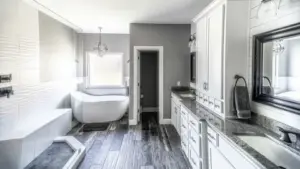
A bathroom renovation can improve comfort, functionality, and the overall appearance of your home. However, even a well-intentioned project can run into problems when important details are overlooked. Poor planning, unsuitable materials, inadequate ventilation, and unrealistic budgets can all lead to unnecessary costs or disappointing results.
Understanding common renovation mistakes before work begins can help you make better decisions and avoid problems later. Whether you are updating a small bathroom or completing a full renovation, careful planning is one of the most important parts of the process.
Starting Without a Clear Plan
One of the biggest bathroom renovation mistakes is beginning demolition before deciding what the finished space should look like and how it should function.
Before work starts, determine:
- Which fixtures need to be replaced
- Whether the layout will change
- How much storage is needed
- Which materials will be used
- What improvements are most important
- How the bathroom will be used every day
A clear plan helps keep design choices and installation work organized. It can also reduce last-minute changes that may increase the project cost or timeline.
Focusing Only on Appearance
A bathroom should look attractive, but appearance should not come at the expense of functionality. A beautiful vanity, stylish tile, or modern bathtub will not solve problems caused by an inefficient layout.
Consider how people move through the bathroom and whether there is enough room to comfortably use each fixture. Storage, lighting, ventilation, accessibility, and maintenance should all be considered alongside the design.
The best renovation plans combine visual appeal with practical everyday use.
Underestimating the Budget
It is easy to focus on the cost of visible materials while overlooking other expenses involved in a renovation. Plumbing changes, electrical work, surface preparation, demolition, waterproofing, and unexpected repairs can all affect the final cost.
Create a realistic budget that accounts for the entire project rather than only the fixtures and finishes.
It is also sensible to leave some room in the budget for unexpected conditions. Once walls or floors are opened, existing problems may become visible and require attention.
Choosing Materials Based Only on Looks
A material may look excellent in a showroom but may not be the best choice for a bathroom’s moisture, cleaning, and daily-use requirements.
When selecting flooring, tile, cabinetry, countertops, and fixtures, consider:
- Moisture resistance
- Durability
- Cleaning requirements
- Slip resistance
- Maintenance needs
- Compatibility with the bathroom environment
Choosing materials based on both appearance and performance can help the finished bathroom remain attractive over time.
Ignoring Ventilation
Bathrooms produce significant moisture, particularly during showers and baths. Without adequate ventilation, moisture can linger and contribute to condensation, odors, and damage to certain surfaces.
A renovation is a good opportunity to evaluate the existing exhaust fan and ventilation setup. Make sure the bathroom has an appropriate way to remove humid air.
Ventilation may not be the most visible part of a renovation, but it plays an important role in protecting the space.
Forgetting About Storage
A bathroom can quickly become cluttered when there is not enough storage. Homeowners sometimes concentrate heavily on fixtures and finishes and leave storage as an afterthought.
Plan storage around the items you actually use. Vanity drawers, medicine cabinets, recessed niches, shelving, and built-in cabinets can provide storage without overwhelming the room.
Good storage can also make cleaning and maintaining the bathroom easier.
Selecting Fixtures That Are Too Large
Oversized fixtures can make a bathroom feel cramped, particularly in smaller rooms. A large vanity or freestanding bathtub may look impressive but could leave little space for movement.
Measure the available area before purchasing fixtures. Consider the space required to open doors and drawers and the clearance needed around toilets, showers, and other features.
The goal is not simply to fit everything into the room. Each fixture should have enough surrounding space to remain comfortable and practical.
Poor Lighting Design
A single ceiling fixture may not provide enough light for every part of a bathroom. Dark corners and shadows around the vanity can make everyday tasks more difficult.
A better lighting plan can combine general, task, and accent lighting. Vanity areas should receive useful, even illumination, while shower areas may require their own appropriate fixtures.
Natural light should also be considered when the bathroom layout allows for it.
Neglecting Electrical Planning
Modern bathrooms often include more electrical features than older spaces. Lighting, exhaust fans, heated flooring, outlets, mirrors, and other equipment all need to be considered during the planning stage.
Electrical installations in bathrooms require appropriate safety considerations and should be handled by qualified professionals when needed.
Planning electrical requirements before walls are closed can help prevent inconvenient changes later.
Moving Plumbing Without Considering the Impact
Changing the location of a toilet, shower, or sink can create a completely different layout, but moving plumbing may add complexity to the renovation.
Before relocating fixtures, determine whether the benefits of the new layout justify the additional work. In some cases, a smarter arrangement can be achieved while keeping major plumbing connections close to their existing locations.
A professional evaluation can help identify practical layout options before construction begins.
Choosing Trends Over Timeless Design
Bathroom trends can provide inspiration, but following every current style can make a bathroom feel dated when design preferences change.
Instead of making every element trendy, consider using timeless materials for major surfaces and adding personality through details that are easier to change.
A balanced design can include modern features while maintaining a style that works well with the rest of the home.
Skipping Waterproofing Details
Water is a major concern in any bathroom. Areas around showers, tubs, floors, and other wet zones need appropriate protection.
Waterproofing should not be treated as an optional upgrade or hidden behind the finished tile. Proper preparation helps protect the underlying structure from moisture problems.
Because waterproofing mistakes may not become obvious immediately, this is an area where careful installation matters.
Choosing the Wrong Bathroom Flooring
Bathroom floors regularly encounter water and humidity. Flooring should therefore be selected with both appearance and safety in mind.
Consider how slippery the surface may become when wet, how easily it can be cleaned, and how well it will hold up to regular bathroom use.
A flooring material that suits the room’s conditions can provide a better balance of style, durability, and practicality.
Not Planning for Maintenance
Some bathroom designs require more cleaning and maintenance than others. Intricate tile patterns, difficult-to-reach corners, delicate surfaces, and excessive grout can increase the work required to keep the room looking good.
When selecting finishes, think about how they will perform after years of regular use.
Simple design choices can often make cleaning easier without making the bathroom look plain.
Making Too Many Changes During Construction
Changing the plan repeatedly after work has started can create delays, additional material costs, and installation complications.
Try to finalize major decisions before demolition begins. This includes the layout, fixtures, finishes, storage, lighting, and major design details.
Some changes are unavoidable when hidden conditions are discovered, but minimizing avoidable changes can make the renovation more predictable.
Trying to Handle Every Task Yourself
DIY work can be appropriate for certain simple updates, but bathroom renovations often involve plumbing, electrical systems, waterproofing, structural considerations, and specialized installation.
Attempting work outside your experience can create problems that are more expensive to correct later. Professional help can be especially valuable for complex remodeling projects where multiple systems need to work together.
Why Choose Dennis Ngai Corp for Bathroom Remodeling?
A successful bathroom renovation requires careful coordination from the initial design through the final installation. Decisions about layout, materials, fixtures, storage, lighting, and moisture management can all affect the finished result.
Dennis Ngai Corp can help homeowners approach bathroom remodeling with attention to both design and functionality. Professional planning can help identify potential issues early and create a renovation plan that suits the home’s space and the homeowner’s needs.
Plan Your Renovation With Confidence
Avoiding common bathroom renovation mistakes starts with thoughtful planning. Set a realistic budget, choose materials based on performance as well as appearance, plan adequate storage and lighting, address ventilation and waterproofing, and make sure the layout provides enough room for comfortable movement.
Taking time to make important decisions before construction begins can help reduce surprises and create a bathroom that is practical, durable, and enjoyable to use for years to come.